Please click on the images in this article to enlarge them and to read further details.
At the end of the Second World War, many New Zealand sailors were serving in Japanese waters as the documents of surrender were signed. The crews of HMNZS Gambia, who represented New Zealand at the official surrender, and HMNZS Achilles visited multiple ports and regions in Japan before finally returning home. Gathered from their service and shore leave were items which represent, and sometimes commemorate, their time spent in a foreign occupied country. Some sailors also sent letters home detailing their impressions of a post-surrender Japan.
Opportunism for war trophies was not uncommon, as taking home a piece of memorabilia from a former enemy could undoubtedly bring intrigue and popularity back home. For both Japanese locals and visiting sailors this meeting of nationalities also became a chance for souvenirs and tourism with many trinkets and keepsakes making their way into a sailor’s possession.
In letters home Chief Petty Officer Ivan Alderton, a sailor aboard Gambia, described how a landing party arriving back aboard the ship was inundated with souvenirs: “I think they returned with half of Japan”. Amongst their loot was a “dwarf tree” – presumably a bonsai tree – as well as complete Japanese officer uniforms. From the souvenirs brought aboard, Alderton acquired the cap ribbon and collar badges of a Japanese naval Commander. Alderton himself only went ashore a couple of times, first to Yokohama and then to Tokyo, but still managed to assemble a collection of mementoes from his time there.
Letter written by CPO Ivan Alderton whilst serving on HMNZS Gambia. (2006.663.405.46)
Souvenirs collected by CPO Ivan Alderton whilst serving in HMNZS Gambia.
Despite the potential excitement of acquiring souvenirs, shore leave in Japan could be a bleak experience. During Alderton’s visit to Yokohama he made the observations of destruction caused by bombing and the subsequent impoverishment:
“On walking through the place I had no feeling of elation as there was human suffering everywhere…When one looks over the damage of this city it makes him think it was not necessary for the use of the Atomic bomb as the damage inflicted by ordinary bombs on this place have completely wiped it out. I would never had believed the extent of damage had I not witnessed it myself…damage goes for miles as far as the eye can see in all directions”.
(From letter 2006.663.405.51)
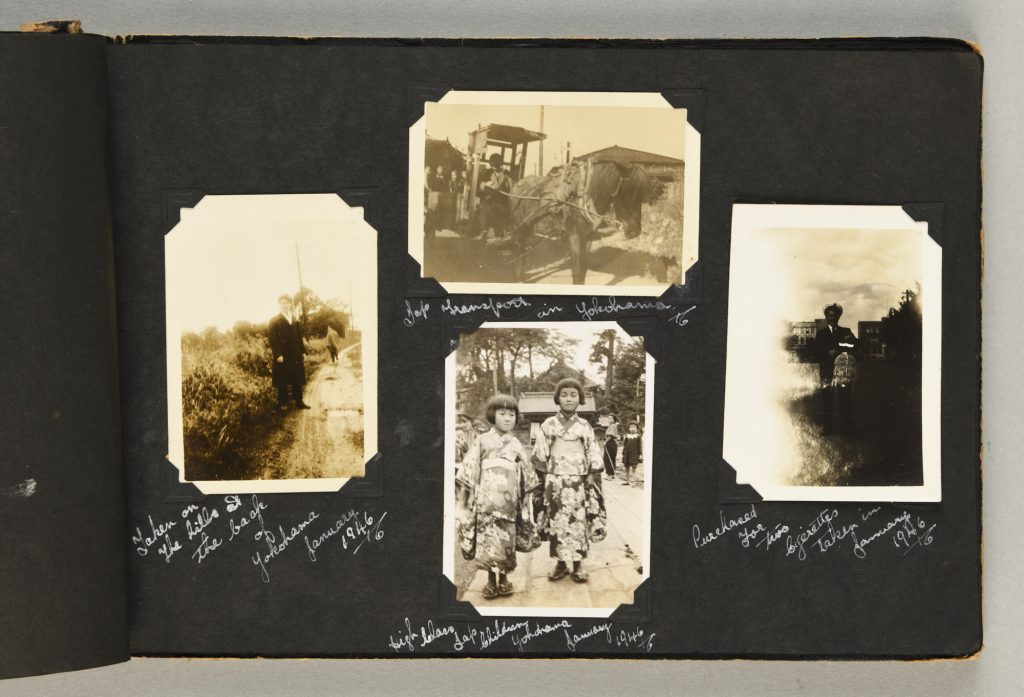
Photographs donated by RNZN Cook Gordon Graham, who served aboard Achilles, provide a visual account of the devastation. Graham features in multiple photos surrounded by a flattened landscape, which was victim to the Atomic Bomb.
Matters of Money
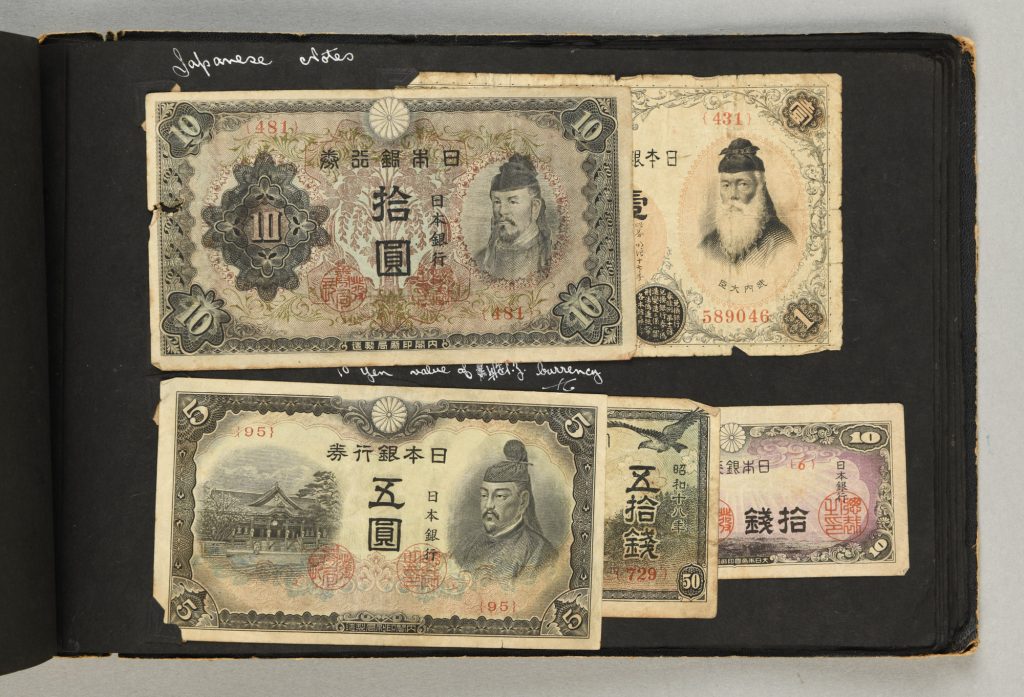
During the Second World War Japan printed ‘Japanese Invasion Money’ to try and establish economic dominance over regions they had invaded. In return, Allied nations printed counterfeit currency in an attempt to disrupt the Japanese financial influence. Foreign currency was commonly acquired by allied troops as souvenirs – owing perhaps to its initial inherent value, the ease of storing and transporting it, and the obvious signs of its exotic origin when compared to the currencies of home. Also, due to the destabilisation of Japan’s economy after the war, acquiring notes would have cost very little in return.
Within the Museum’s collection we have hundreds of banknotes acquired and kept by sailors as souvenirs. Amongst those from the Second World War are examples of Japanese invasion money from a multitude of geographical areas and currencies: dollars, pesos, shillings, centavos, and rupees. There are also many regular Japanese bank notes – including those collected by CPO Ivan Alderton, and by Gordon Graham within his photographic album. We also hold bank notes styled with a Japanese aesthetic (GCI 0007-0009) which are believed to have been issued to British Sailors serving in Japan after the end of the war.
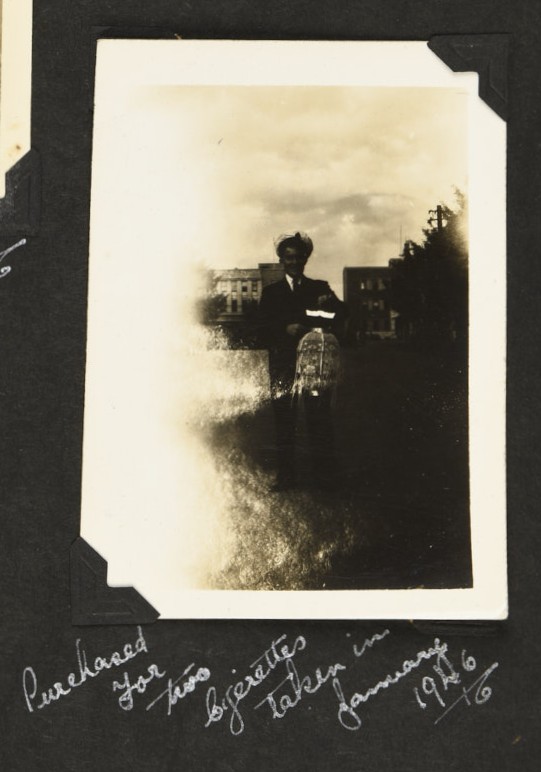
Sailors short on cash had an alternate method for purchasing souvenirs by trading items of value such as cigarettes, which were highly sought after at the time. Petty Officer Ken Gordon who served in HMNZS Gambia would go ashore with crewmates in tight groups, loading up their hats with improvised currency: “There’s a webbing that goes around the inside of a sailor’s cap, and we used to fill up that webbing with cigarettes and go ashore. That was big money” (Royal New Zealand Navy, Navy Today, Issue 247, pg. 22-26). A photograph from Gordon Graham’s album shows him holding what appears to be a bird cage, and underneath is a caption which reads: “Purchased for two cigarettes \ Taken in January 1946”.
J Force
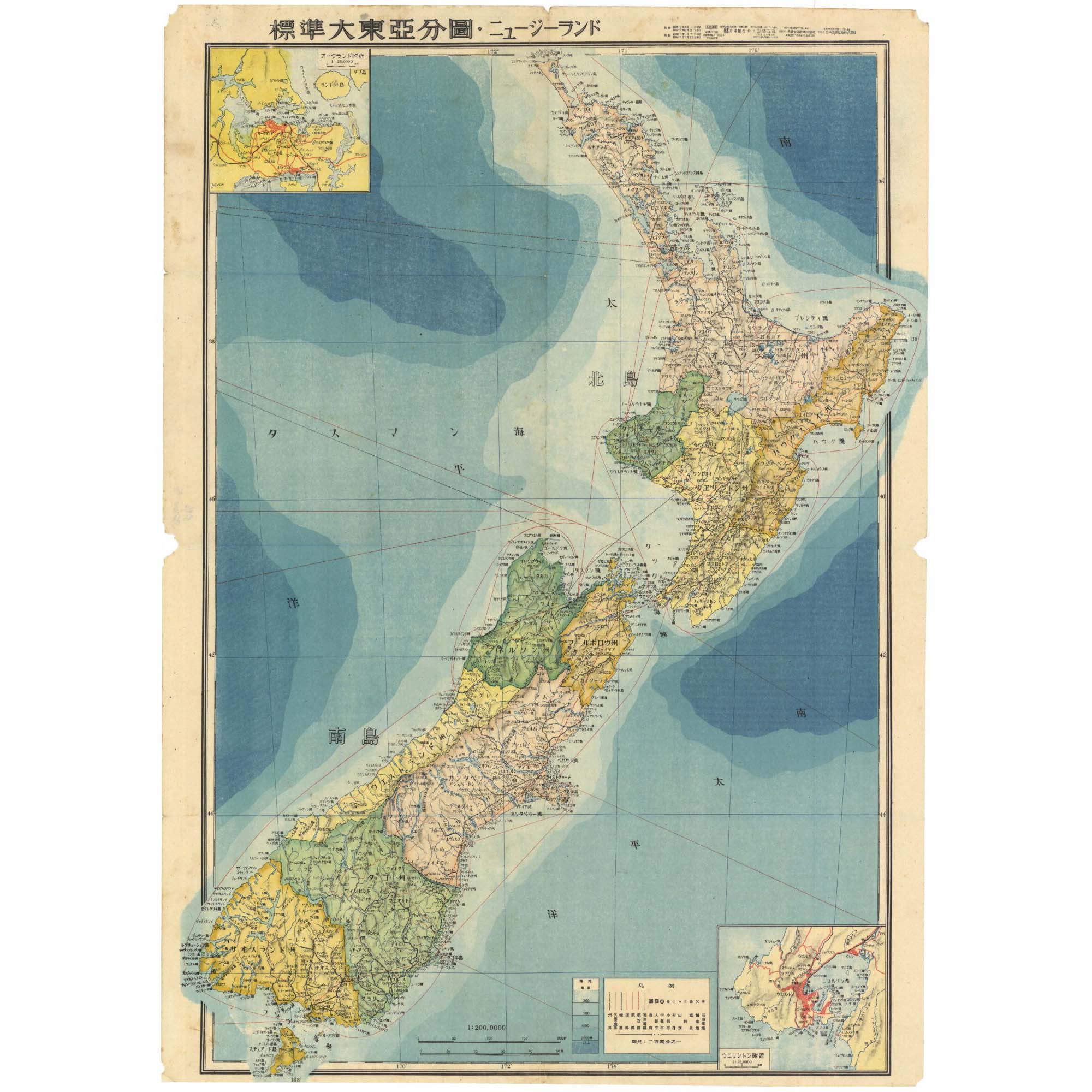
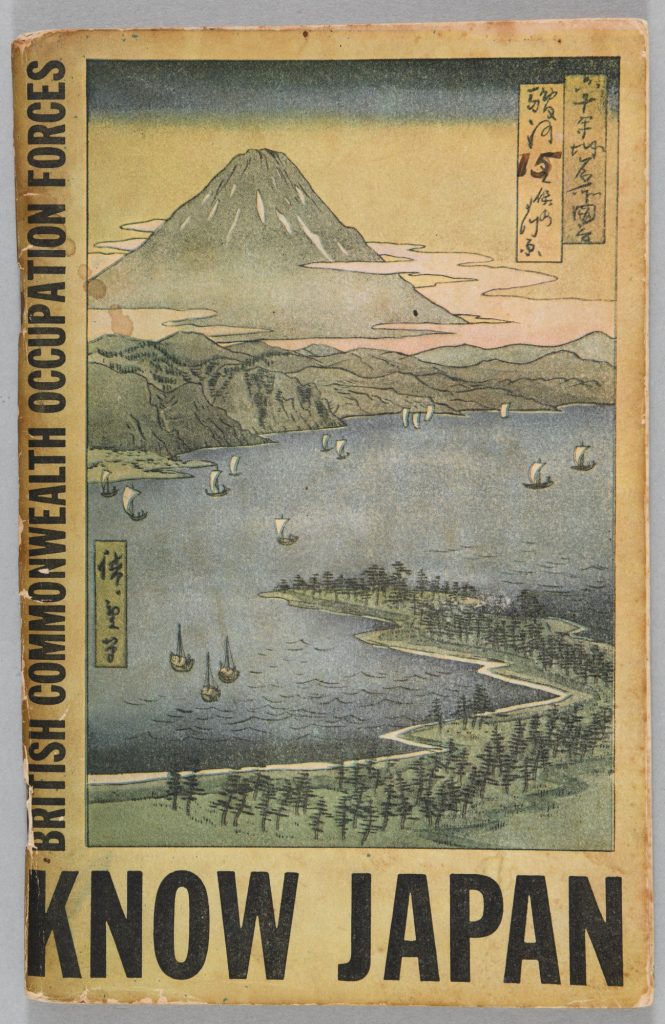
New Zealand military personnel continued to operate in Japan in the following years as part of the British Commonwealth Occupation Force (BCOF) ‘J Force’. In order to help acclimatise personnel to service in a foreign country, the BCOF commissioned a booklet titled: “Know Japan”. It covered topics including geography, history, politics, and transportation, aiming to provide an essential background for an “understanding of Japan and its people”. Within the first few pages the purpose of the occupation is described as bringing about demilitarisation, introducing democratic ideas, and ensuring war with Japan will never be repeated.
The booklet was very much a product of its time and is filled with contemporary – what we would now consider regressive and, sometimes, racist – sentiments. These sentiments were undoubtedly exacerbated by the atmosphere of resentment towards a former enemy, and the booklet openly acknowledges the anti-Japanese feelings harboured by those who had been witness to, or affected by, Japanese actions during the war.
Within the booklet is an attempt to give guidance surrounding the challenges of ‘fraternisation’ between an occupying force and a conquered enemy. It calls upon personnel to act formally and correctly, not to enter personal homes or take part in Japanese family life and to keep unofficial dealings with Japanese people to a minimum. Whether or not this advice was followed, members of J Force undoubtedly spent some of their time gathering mementos of their service.
Written by: Lewis Dunster, Collections Assistant
Material within this article may be subject to copyright. Permission to reproduce any material within this article for any purpose must be obtained from the copyright holder concerned. To discuss obtaining permission to use this material please contact collections@navymuseum.co.nz.
More to explore.
New Zealanders in Japan – Artefact Unpacked
Souvenirs collected by New Zealand sailors when visiting Japan after the end of the Second World War
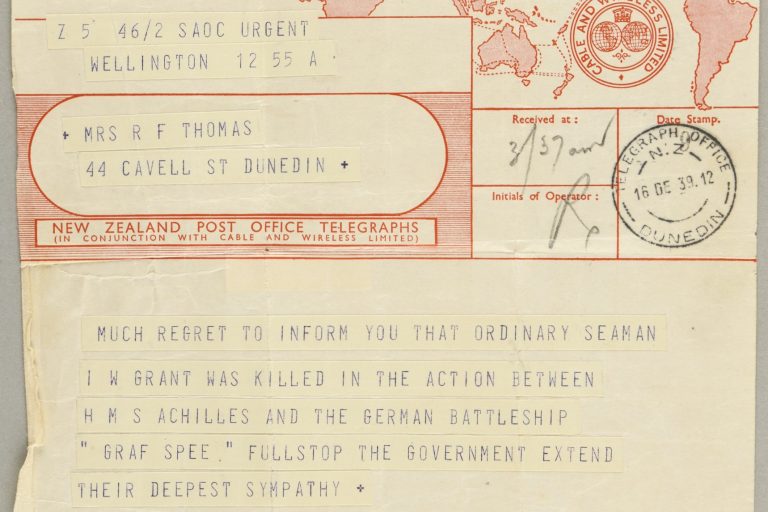
Ian Grant Collection – Artefact Unpacked
Explore the collection of Ordinary Seaman Ian William Grant, who was killed in the Battle of the River Plate.
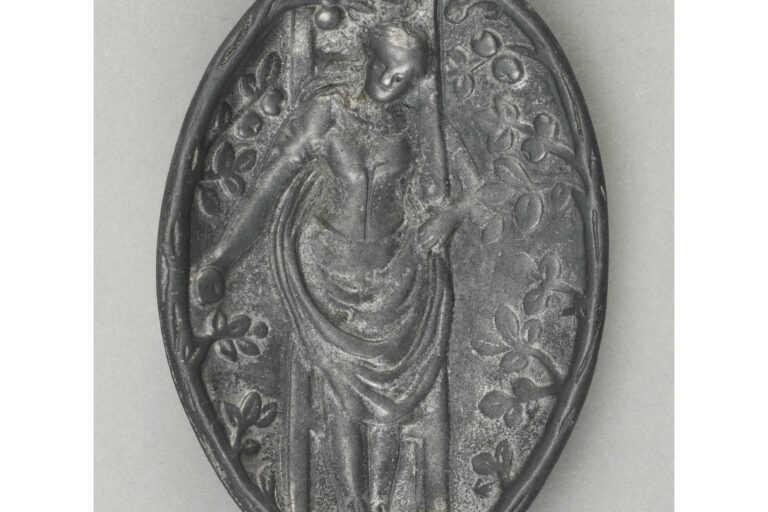
Metal Ashtray – Artefact Unpacked
Royal Navy sailor AB Philips created this ashtray while serving in the Baltic during the First World War.
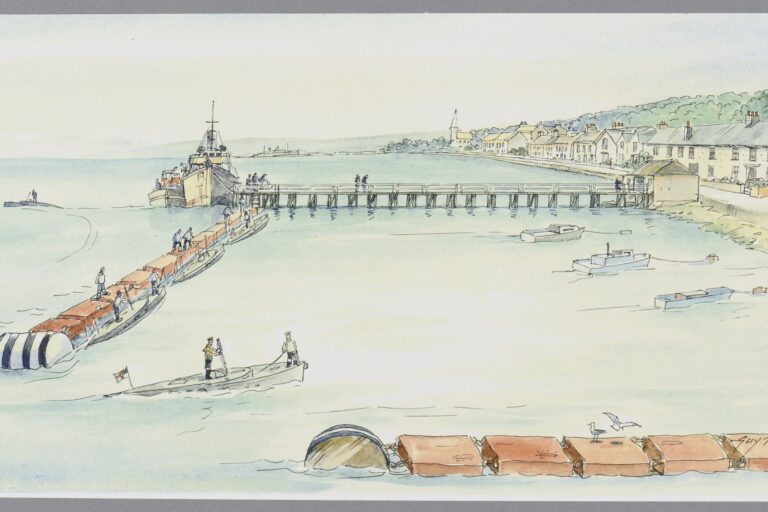
A Story of Midget Submarines – The illustrations of Guy Todd
View artworks by Guy Todd, who served on submarines during the Second World War.
Clothing in the Collection
Collections Assistant Lori has been working on the clothing collection.
New Collection Items – Autumn 2024
Uncovering the latest acquisitions to the collection.
First Aid at Sea in the Second World War
Medical personnel played a vital role at sea during the Second World War.
Vietnam War Propaganda Leaflets – Artefact Unpacked
We uncover some Vietnam war propaganda leaflets.
Grave Marker – Artefact Unpacked
Uncover a 178-year-old Grave Marker donated to the Navy Museum.
New Collection Items – Winter 2023
View a selection of new items added to the Collection during Winter 2023.
Looking back on the Coronation of Queen Elizabeth II
Looking back on coronation of Queen Elizabeth II.
New Collection Items – Autumn 2023
View a selection of new items added to the Collection.
Fleet Air Arm Flight Jacket
Artefact Unpacked – Fleet Air Arm jacket made from leather and sheepskin.
Dear Midge
Letters sent by a sailor to his daughter during WW2.
Celebrating First Female Chaplain
Celebrating the achievements and career of Principal Chaplain Pauline Law ONZM (Rtd).
Naval Cloak
Naval Boat Cloak owned by Commander John Elworthy.
Santa Flag
This flag was hand painted by crew from HMNZS Wellington.
Five Power Defence Arrangements
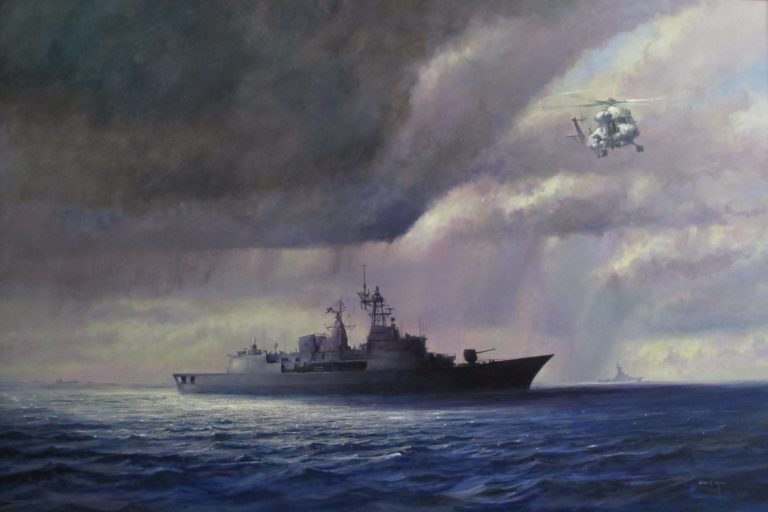
The Five Power Defence Arrangements (FPDA) were established in 1971.

Sweetheart Badges
These tiny badges are known as ‘sweetheart’ jewellery.
Red Bicycle
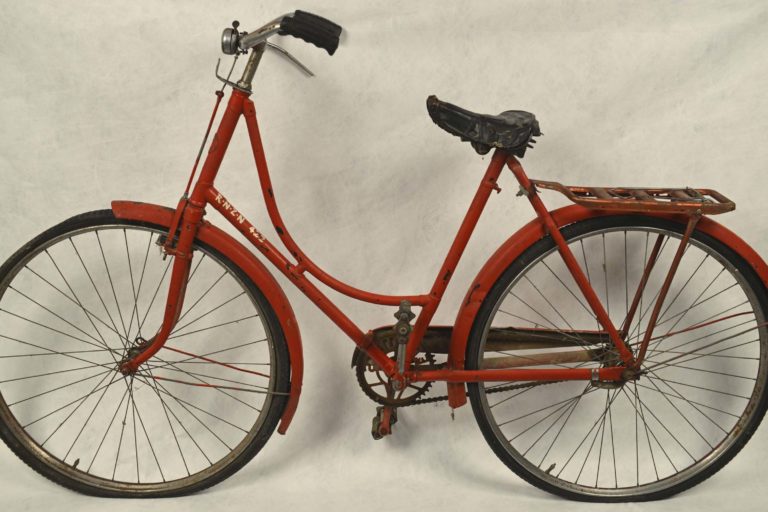
Red Bicycle used by Naval personnel in Second World War.